Sony 400 GM F2.8 Review for Birds
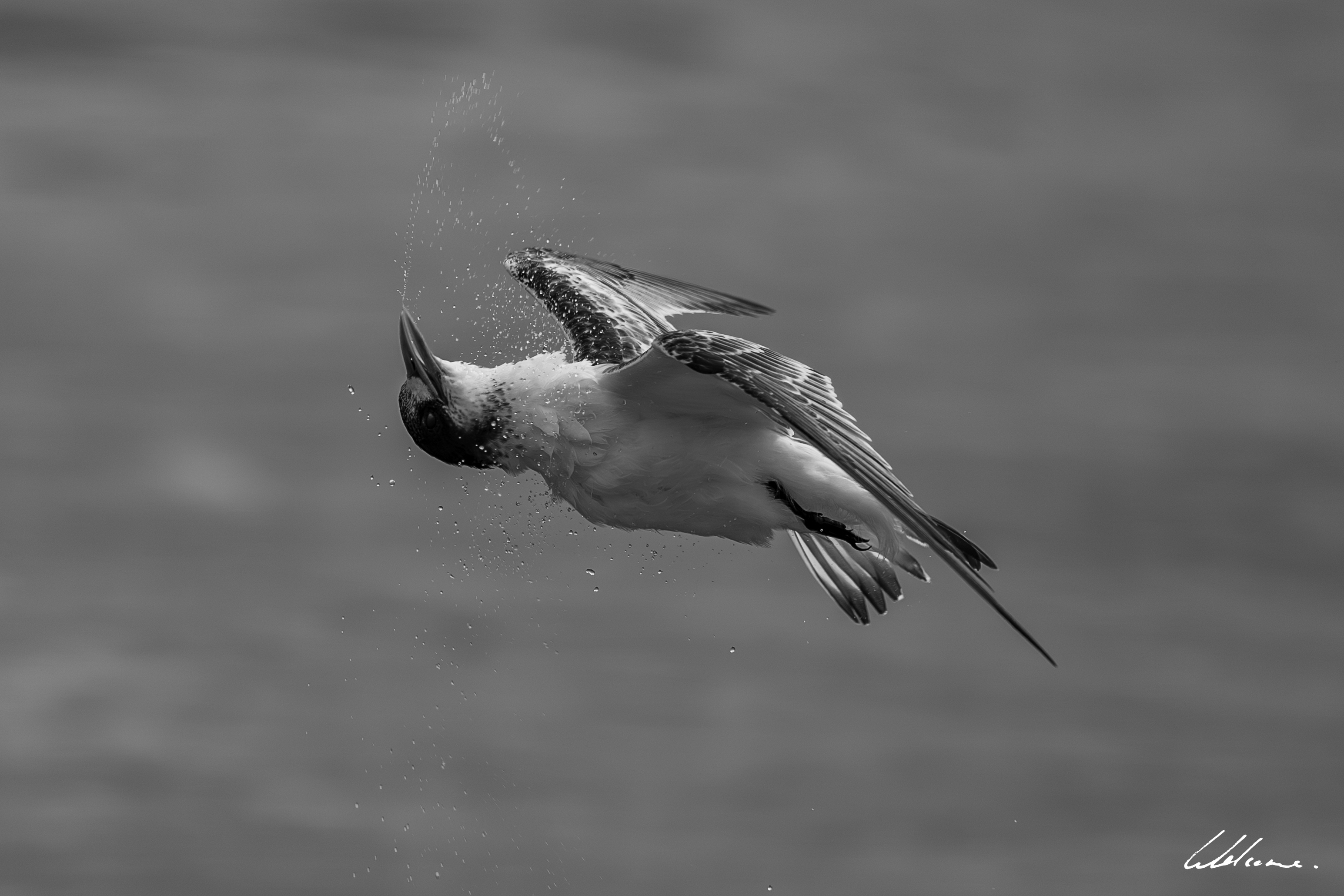
When bird photographers talk about the ultimate prime lens, the conversation usually gravitates toward maximum reach—often defaulting to the 600mm behemoths. But after spending extensive time with the Sony FE 400mm f/2.8 G Master, I’m convinced that the narrative needs a rewrite.
Weighing in at an astonishingly light 2,895 grams (6.38 lbs), this lens isn't just a triumph of engineering; it is arguably the most versatile, perfectly balanced lens you can mount on a Sony body for avian photography. If you think 400mm isn't "enough lens" for birds, think again. From intimate portraits to erratic flight action and stunning environmental storytelling, the 400mm GM is the undisputed sweet spot. Here is why.
- The Undisputed King of Bird Portraits When it comes to crafting a compelling bird portrait, reach is only half the equation; the other half is light gathering and background rendering. This is where the f/2.8 maximum aperture elevates the 400mm GM from a mere telephoto to a fine-art tool.
Shooting a perched warbler or a majestic owl at f/2.8 does something magical: it entirely obliterates chaotic backgrounds. Bird habitats are notoriously messy—full of intersecting branches, harsh highlights, and distracting foliage. The f/2.8 aperture melts that chaos into a wash of creamy, buttery bokeh that makes your subject pop off the screen with three-dimensional clarity.
Coupled with Sony’s legendary G Master sharpness, you capture every barb of a feather and every catchlight in the eye with uncompromising crispness, while the background simply fades away into a beautiful, unobtrusive canvas.
- Mastering Birds in Flight: The 400mm "Space" Advantage Tracking a fast-moving, erratic subject like a peregrine falcon or a diving tern is one of the hardest disciplines in wildlife photography. Many photographers buy a 600mm lens for these moments, only to realize a painful truth: a 600mm field of view is incredibly tight.
This is where the 400mm focal length proves its worth as the ultimate BIF (Birds in Flight) champion. 400mm provides the essential "space" you need to succeed. * Easier Subject Acquisition: The slightly wider field of view at 400mm makes finding a fast-moving bird in your viewfinder significantly easier. You aren't frantically panning around an empty sky trying to locate your subject.
Breathing Room: Once you acquire the bird, the 400mm view gives you the breathing room to keep it in the frame, even if its flight path is unpredictable. It prevents those frustrating clipped wings that happen so often when tracking with tighter focal lengths.
Speed and Balance: Because the lens is radically front-lightened (Sony shifted the heavy glass elements toward the mount), it balances perfectly on a gimbal or in hand. Paired with the XD Linear motors—which drive the focus group at lightning speeds—you have a nimble, lightning-fast setup that stays locked onto a bird's eye through the most chaotic flight sequences.
- The Power of the Environmental Shot In our quest to get as close as possible to our subjects, bird photographers often forget the power of context. A tight headshot of a heron is beautiful, but a shot of that same heron standing silently in a mist-covered, golden-hour marsh tells a story.
The 400mm focal length is uniquely suited for environmental bird photography. It allows you to pull back just enough to showcase the animal's habitat, scale, and atmosphere, without the bird becoming a microscopic speck in the frame. A 600mm or 800mm lens often forces you into an isolated portrait whether you want it or not, compressing the scene so much that the sense of place is lost.
With the 400mm GM, you can capture the tiny kingfisher dwarfed by the massive, mossy riverbank, or the eagle framed by towering pines. It transitions seamlessly from a pure wildlife lens to a landscape-wildlife hybrid, giving your portfolio much-needed narrative depth.
The Verdict Yes, the Sony 400mm f/2.8 GM OSS requires a serious financial investment. But what you are buying is not just a lens; you are buying the ultimate creative tool.
It offers the unmatched f/2.8 subject isolation for breathtaking portraits. It provides the crucial wider field of view and lightning-fast autofocus needed to easily track complex birds in flight. And it gives you the compositional flexibility to step back and capture the stunning environments these birds call home.
(And if you ever truly need that 600mm reach? Snap on Sony's exceptional 1.4x teleconverter, and you instantly have a world-class 560mm f/4, losing almost nothing in sharpness or autofocus speed).
For the discerning bird photographer who wants to do it all—and do it perfectly—the Sony 400mm f/2.8 GM isn't just an option. It's the standard.
"Thank you for reading."
Back to All Postings