Beyond the Checklist: Why I Stopped Counting and Started Watching
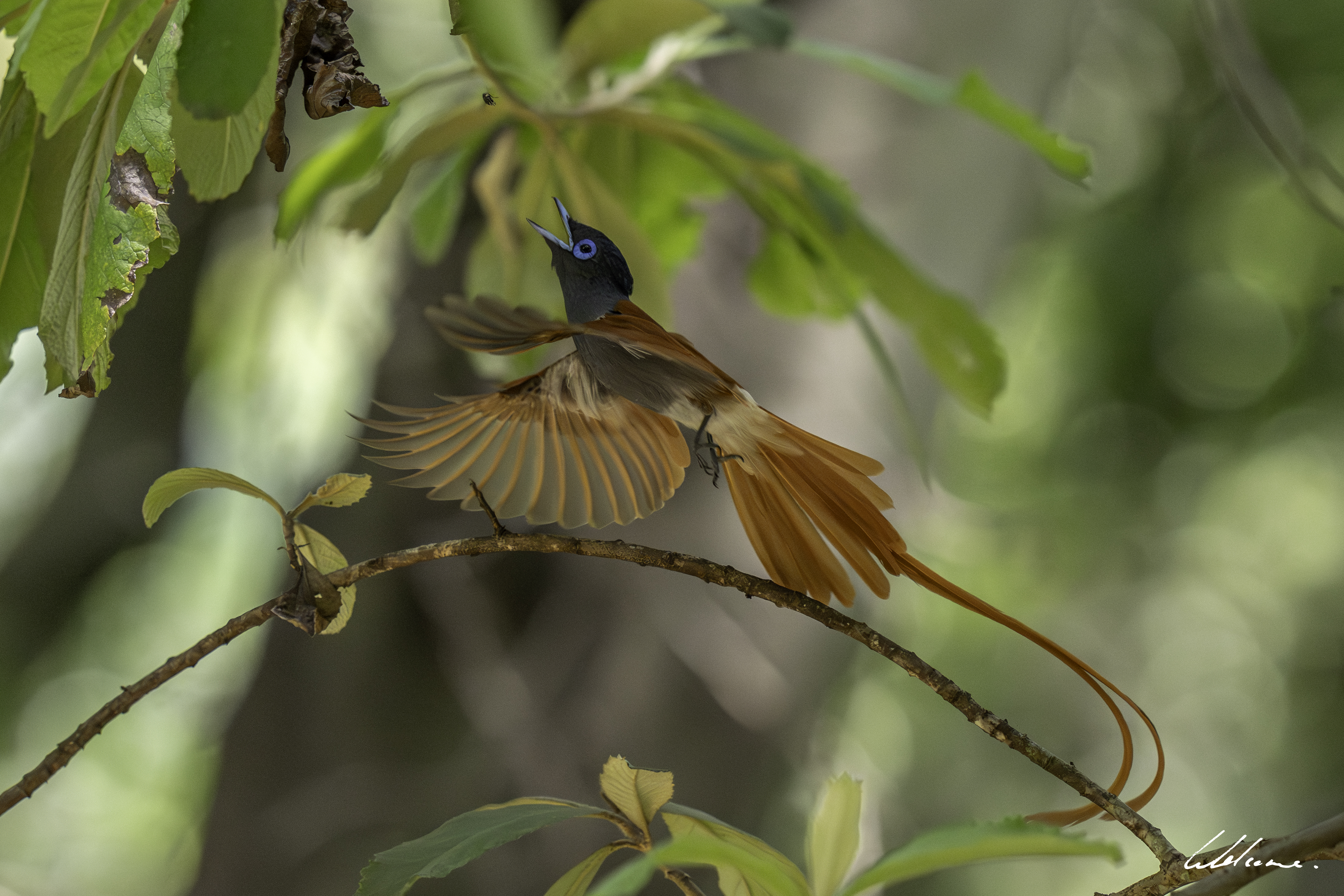
For many years, the thrill of birding centered on the pursuit of new species – adding another tick to the life list, or striving for a higher annual count. This conventional approach to birding is undoubtedly exhilarating, driving enthusiasts to explore diverse habitats and sharpen their identification skills. However, after four years immersed in this chase, a different perspective began to emerge, leading to a deliberate shift towards dedicated bird photography.
The Allure of Deep Observation
The pivot from general birding to concentrated bird photography was not a rejection of the former, but an evolution in how I wished to engage with avian subjects. The primary motivation became a desire for deeper observation and a more profound understanding of specific species, rather than a broad survey of many. This shift inherently requires patience, stillness, and an acute awareness of an individual bird's environment and behavior.
A Case Study: The African Paradise Flycatcher
This new focus truly crystallized during an extended observation of the African Paradise Flycatcher (Terpsiphone viridis). Instead of merely identifying and moving on, I dedicated weeks to documenting a single pair's breeding cycle. This meticulous observation began with the intricate construction of their cup-shaped nest, often adorned with lichen and spider silk, meticulously woven into a sturdy structure. Witnessing the female laying her clutch, followed by the shared incubation duties of both parents, provided an unparalleled educational experience.
The subsequent period of chick rearing was even more revelatory. Observing the tireless efforts of the parent birds, bringing a continuous supply of insects to their insatiable young, offered a stark illustration of avian parental care. Each feeding, each fledge attempt, each interaction within the family unit became a valuable lesson in ethology. The rapid growth and eventual fledging of the young, transitioning from vulnerable hatchlings to independent juveniles, unfolded as a captivating narrative.
Such immersive experiences demonstrate the profound insights gained when time is spent in sustained observation. This level of detail is often overlooked when the primary goal is to simply 'see' and 'list' a species.
The Question of 'Missing Out'
This experience with the African Paradise Flycatcher sparked a critical reflection: does the relentless pursuit of species counts or additions to a life list inadvertently lead to missing out on the deeper, more intimate stories unfolding in the natural world? While the act of birding provides breadth, bird photography, particularly when approached with a focus on documenting behavior, offers unparalleled depth. It compels one to slow down, to truly see, and to understand the 'why' behind avian actions.
By committing to photograph a particular species, one is often required to learn about its habitat preferences, foraging strategies, social interactions, and reproductive cycles. This active engagement with a subject transforms a fleeting sighting into a comprehensive study, yielding not just an image, but also a wealth of knowledge.
The Symbiotic Relationship
Ultimately, birding and bird photography are not mutually exclusive; rather, they can be symbiotic. A foundational knowledge of bird identification and ecology, gained through traditional birding, is invaluable for successful bird photography. Conversely, the patient, focused approach of photography can enrich one's appreciation for the natural world, fostering a deeper connection and understanding that transcends a mere checklist.
Embracing bird photography can shift one's perspective from a collector of species to a chronicler of life, offering a richer, more meaningful engagement with the avian world.
"Thank you for reading."
Back to All Postings